Anahyra Fernandez
APE (Applied Practicum Experience) with the Center for Community Health Alignment (CCHA) training Community Health Workers (CHW) in maternal mortality and morbidity prevention
February 19, 2026 | Erin Bluvas, bluvase@sc.edu
With renewed support from the Health Resources and Services Administration and matching funds from the Dean’s Office, the Arnold School’s Maternal and Child Health (MCH) Catalyst program is expanding its capacity-building opportunities even further. In this new five-year funding cycle (2025-2030), they’ve added two new competitive, merit-based pathways for growing and diversifying the MCH workforce.
“A well-trained MCH public health workforce is essential to reducing disparities in maternal and infant health in the U.S. and the South, particularly South Carolina,” says Jihong Liu, a professor in the Department of Epidemiology and Biostatistics and director for the MCH Catalyst program. “We need a diverse student body prepared to return to their communities and join the MCH workforce upon graduation, along with MCH faculty committed to teaching and mentoring the next generation and advancing transdisciplinary research that evaluates and implements solutions to strengthen MCH outcomes, programs, and policies at the state and national levels.”
With these goals in mind, the Catalyst program recently established Advancing New Collaborations in Health Outcomes Research in Maternal and Child Health (ANCHOR-MCH) and the Maternal and Child Health Experiential Learning Fellows (MCH-ELF) Program. These two new programs build on the team’s previous expansion of curriculum and training offerings, which include an MCH graduate certificate, a Graduate Scholars Program, MCH-focused poster and abstract competitions, and the MCH Student Association.
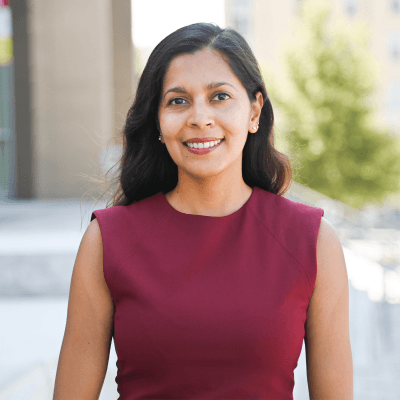
ANCHOR-MCH is designed to engage and strengthen the capacity of early- and mid-career faculty in conducting high-quality research and mentoring graduate students with an interest in MCH. This year’s recipients are epidemiology assistant professors Nandita Perumal and Nelis Soto-Ramírez. Each of them will receive $10,000 to hire a graduate research assistant to work on their proposed projects.
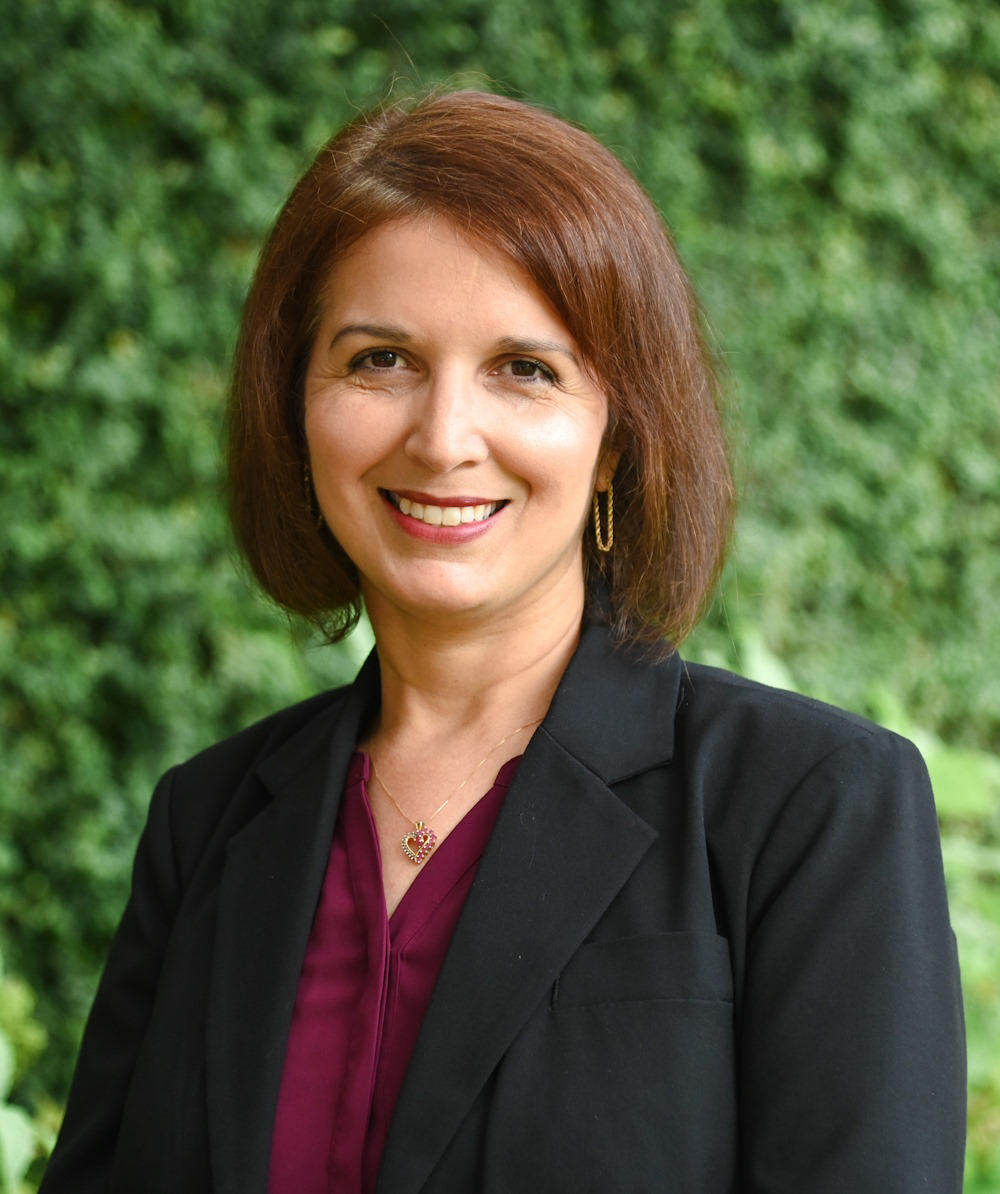
With a focus on MCH nutrition and neurodevelopmental outcomes, Perumal will study trends and disparities in small and large vulnerable newborns in the United States. Soto-Ramírez’s research examines MCH perinatal epidemiology, epigenetics, and child welfare. With the support from ANCHOR-MCH, she will explore intersections of social, behavioral, and environmental determinants on maternal and child health among migrant and seasonal farmworker families.
MCH-ELF extends the Catalyst program’s efforts to support graduate students by providing
$1000 tuition support for master’s and doctoral students completing projects in the
field. Five Arnold School students have been selected as inaugural fellows of the
program and are completing the below projects:
APE (Applied Practicum Experience) with the Center for Community Health Alignment (CCHA) training Community Health Workers (CHW) in maternal mortality and morbidity prevention
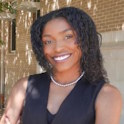
APE with MH Boxes for Peer Support Framework Development among adolescent black girls in the U.S.

Consulting Practicum with the South Carolina Birth Defects Program (SCBDP) evaluating the spatial and spatiotemporal patterns of birth defects in South Carolina
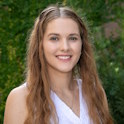
ILE (Integrated Learning Experience) with Dr. Nandita Perumal analyzing the association between dietary diversity and school-readiness in HIV-exposed but uninfected caregivers and children in Tanzania
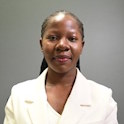
ILE using South Carolina PRAMS (2016-2019) data to study the unmet dental care needs among pregnant women and its association with Medicaid coverage.
Renewed funding enables more students, faculty to prep for careers in maternal and child health
Jihong Liu wins national award for excellence in mentoring, teaching maternal and child health
Jihong Liu to help Prisma extend Healthy Start Program to Upstate
Healthy Start program improves health behaviors, practices according to new research
Jihong Liu wins grant to advance Arnold School training and curriculum in maternal and child health