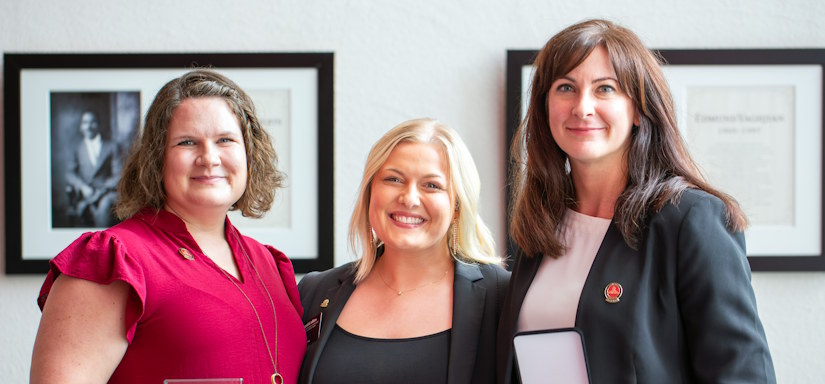
Gerry Sue Arnold Alumni Award: Melinda Merrell
Melinda Merrell has served as the Senior Director of Grantmaking and Strategy at the Sisters of Charity
Foundation of South Carolina for nearly two years, but her service to South Carolina
stretches back to 2008. After completing a bachelor's degree in biology and a Master
of Public Health (MPH) at the University of Alabama at Birmingham, a position with
the Northeastern Rural Health Network brought Merrell to the Palmetto State.
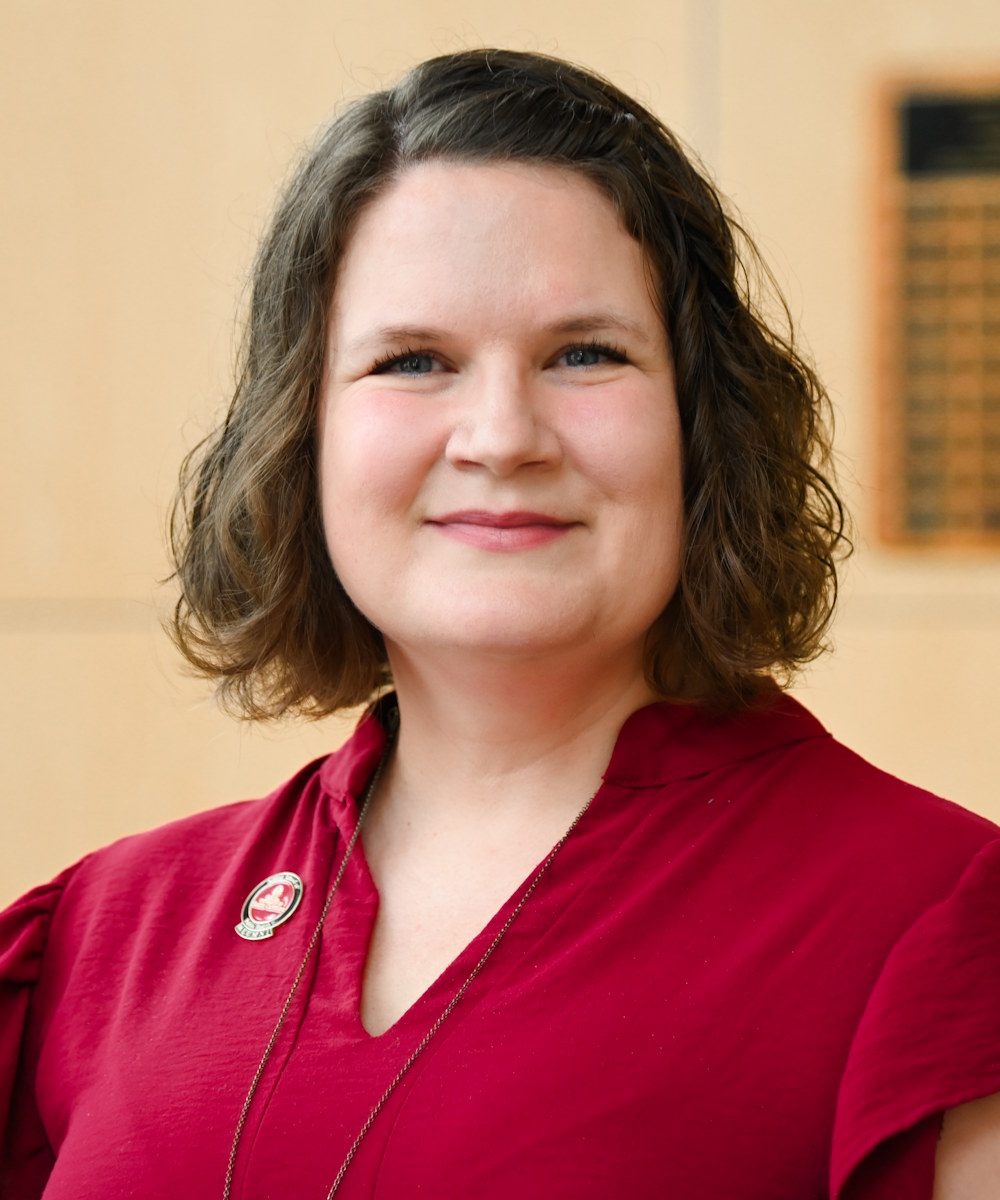
She then built on her experience securing and implementing federal grants by spending nearly a decade in various roles at the South Carolina Office of Rural Health. Working to improve rural hospitals and clinics across the state, Merrell oversaw more than $3 million in federal and state grants each year while simultaneously pursuing a Ph.D. in Health Services Policy and Management (HSPM) at USC.
After her 2019 graduation, she remained at the Arnold School – first as a research assistant professor with the Rural Health Research Center and then as a faculty member with the HSPM department. During her five years at the school, Merrell oversaw the Master of Health Administration program as graduate director and conducted rural health policy and systems research.
Over her career, Merrell’s research has resulted in more than 40 peer-reviewed publications and 35 policy briefs, fact sheets and statewide strategic reports. Her work addresses key areas of concern related to rural health, such as maternal and child health, hospital closures, STIs, electronic health records, and structural drivers of poverty. In her current role, one of Merrell’s primary initiatives is to guide implementation of a three-year strategic plan focused on addressing the structural drivers of poverty through grantmaking, advocacy and narrative change.
Merrell is the recipient of numerous honors, including the University of South Carolina Career Influencer Award, National Rural Health Association Rural Health Fellowship, Cindy Babb Moore Excellence in Rural Health Management Fellowship, National Organization of State Offices of Rural Health Emerging Leader Award, and the Federal Office of Rural Health Policy “Rural Voices” Leader Award.
“Dr. Merrell is widely respected for her disciplined leadership, collaborative approach, and unwavering commitment to communities facing structural disadvantage,” says Peiyin Hung, who worked with Merrell in both the HSPM department and at the Rural Health Research Center. “Her record reflects not incremental contribution, but sustained, system-level impact. Tireless, thoughtful and wise, Dr. Merrell is an unusually gifted USC volunteer with a record of achievement that makes her an exceptional recipient for the Gerry Sue Arnold Alumni Award.”
This award is open to all alumni who graduated less than 10 years prior to the current year. Alumni whose work has both made a difference to the profession and in the health of an identified community or population are eligible for this award.
Norman J. Arnold Alumni Medal: Sara Goldsby
When Sara Goldsby reflects on her time at USC, she says that she was building a toolkit – getting the
skills and knowledge she needed to apply to whatever was next. In the 11 years since
Goldsby graduated from the Master of Social Work/Master of Public Health in Health Services Policy and Management
(HSPM) combination degree program, she has applied that toolkit to improving the health and well-being of South Carolinians
across the state.
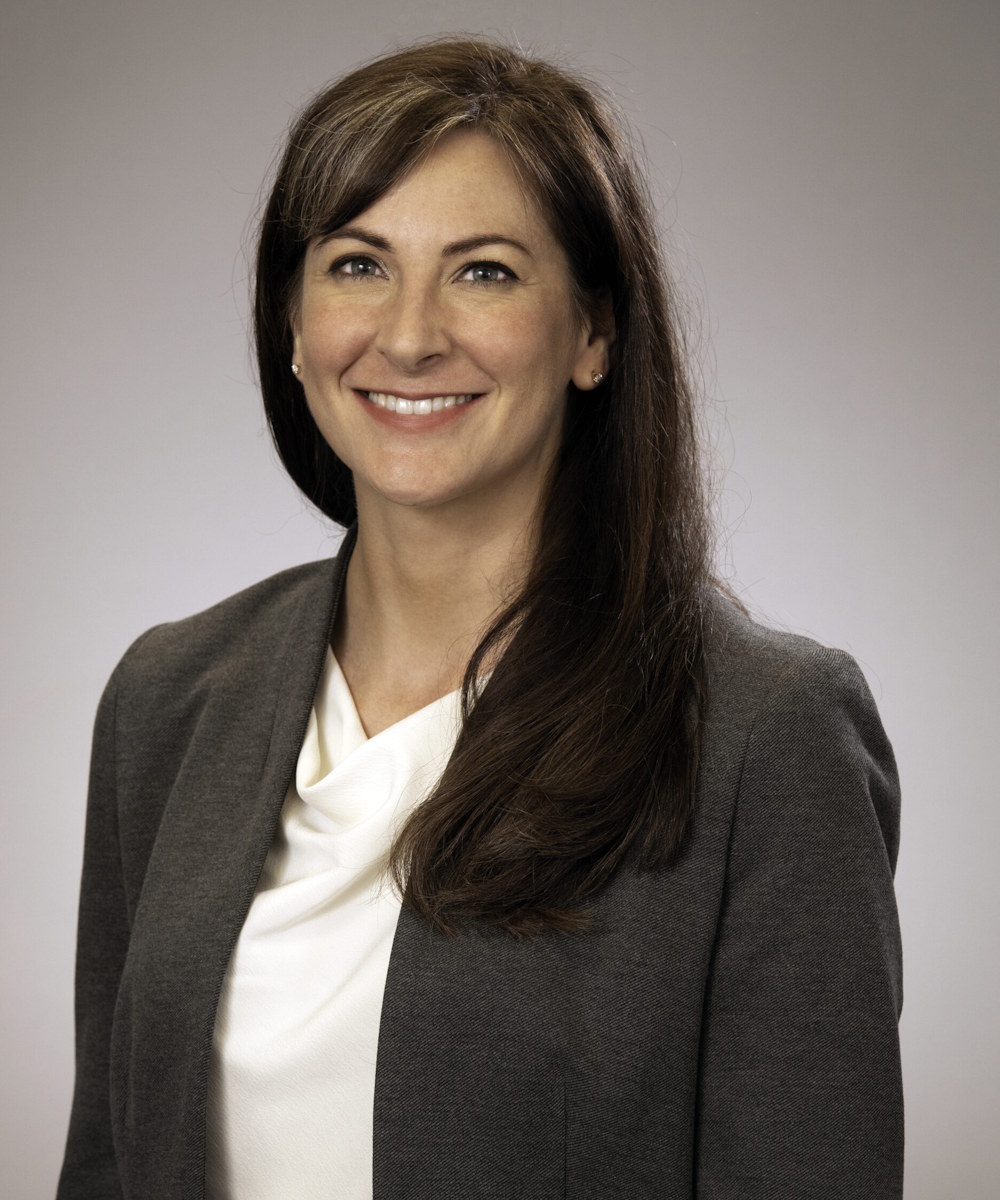
Originally from Wyoming, Goldsby moved to Conway to study psychology at Coastal Carolina University as an undergrad. She made use of her social work and public health programs even while still a student at USC – engaging in case management for Prisma Health and community organizing at Healthy Carolina. By the time she graduated with both of her schools’ top student awards, she had already joined the South Carolina Department of Alcohol and Other Drug Abuse Services as a Health Policy/Systems Policy Consultant.
For the past decade, Goldsby has led the office – renamed the Office of Substance Use Services and housed in the South Carolina Department of Behavioral Health and Developmental Disabilities in 2025 – as director. In this role, she leads prevention, treatment and recovery efforts for the state while overseeing millions of dollars in state and federal funding dedicated to addressing challenges related to substance use disorders, including opioid misuse and accidental overdose.
Goldsby was one of several state leaders to found the SC Center for Addiction Excellence, which bridges academic research with government efforts and patient services to ensure South Carolinians receive the best care possible. At the national level, she serves as the elected President of the National Association of State Alcohol and Drug Agency Directors. Some of her honors include the Emerging Leader Award (USC College of Social Work), National Association of State Alcohol and Drug Agency Directors Service Award, Ramstad-Kennedy Award for Outstanding Leadership (National Recovery Month Planning Partners), Michael E. and Sandra P. Samuels Distinguished Alumni Award (USC HSPM), Voice of Public Health Award (SC Public Health Association), Professional of the Year Award (SC Association of Alcoholism and Drug Abuse Counselors), and the Gerry Sue Arnold Alumni Award.
“Ms. Goldsby exemplifies the long-term application of public health education to complex, high-impact leadership roles that improve systems of care and outcomes for South Carolina residents with substance use disorder,” says HSPM professor Christina Andrews, who first met Goldsby through the dual master’s program and has worked closely with her ever since. “Under her leadership, South Carolina has strengthened the quality, reach and effectiveness of substance use disorder treatment and prevention services while ensuring alignment with evidence-based public health practice and statewide priorities.”
This award is open to all alumni who graduated more than 10 years prior to the current year. Eligible alumni should demonstrate work that has had both a positive impact on the profession and on the health of an identified community or population and has brought recognition to the Arnold School of Public Health.